Viewpoint and history
Castle Viewpoint Audio Guide (Mirador del Castillo)
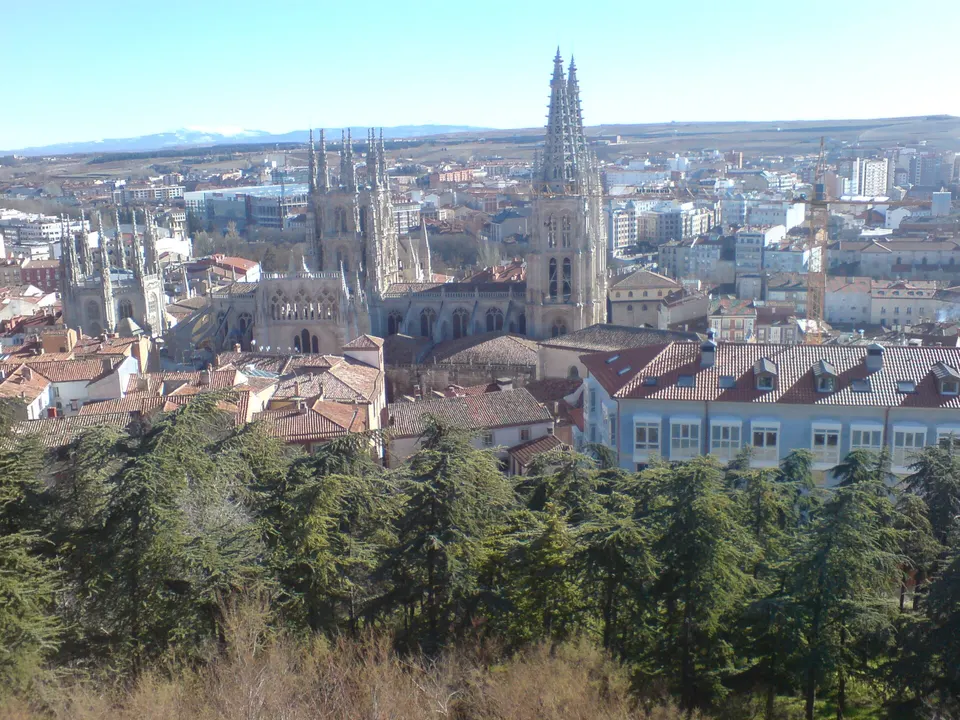
From San Miguel hill, the rise where Burgos was born, the cathedral and its crossing tower stand out against the whole rooftop sprawl. At the top, the castle remains and a medieval well keep the origin of the city.
- 40 min of audio
- Panoramic views
The viewpoint stands on San Miguel hill, the height on which Burgos was founded in the year 884 by order of Count Diego Rodríguez Porcelos. From there the relationship between the old town, the Arlanzón river and the Castilian plains can be read at a glance, and it is easy to see why the hill was a stronghold on the frontier line of the medieval Christian resettlement.
Between the views and the walls, the site holds a very deep medieval well dug into the rock and the marks of a demolition blast: French troops damaged the castle during the War of Independence. Today the whole has been restored and turned into a museum site, with green areas and paths around the fortress.
Highlights
- San Miguel hill, the place where Burgos was founded in the year 884
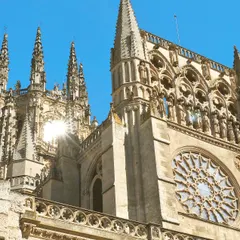
- Panorama of the cathedral, with its spires and crossing tower above the rooftops
- Remains of the medieval castle, residence and defensive bastion of the city
- Very deep medieval well dug into the rock
- Overview of the city, the Arlanzón and the Castilian plain
What to see at the Castle Viewpoint in Burgos comes down to one idea: the whole city at the foot of the hill where everything began. The viewpoint stands on San Miguel hill, the height on which Burgos was founded in the year 884 by order of Count Diego Rodríguez Porcelos. At the top rise the remains of the castle, a medieval fortress that was the residence and defensive bastion of the city, and from the edge comes one of the best panoramic views of Burgos.
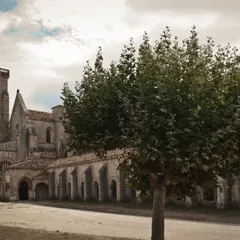
The history of the Castle Viewpoint mixes foundation, frontier and ruin. The hill marks the strategic origin of Burgos as a stronghold on the frontier line of the medieval Christian resettlement, and the castle suffered serious damage over time, among it a demolition blast by French troops in the early 19th century. The full experience, with the story of each corner of the site, is best enjoyed by walking it with the audio guide. From the hill the Burgos Cathedral can be made out among the rooftops, and the medieval and royal Burgos of this hill finds continuity in the Las Huelgas Monastery, pantheon of the kings of Castile.
The summit and the view that explains everything
Castle Viewpoint
Summary of this stop
The first stop is at the edge of the viewpoint, leaning out over the city. After the climb from the old town, since the hill rises above the level of the city, visitors take in Burgos in a single glance: the old town, the Arlanzón river and the Castilian plains that surround it. It is the point where the relationship between city, river and landscape is understood without need of a map.
In the foreground of that panorama appears the cathedral, with its profile of spires and its crossing tower cut against the rooftops. Seen from here, the church shows why it dominates the urban skyline, and it is probably the best perspective for grasping the scale of the building against the rest of the city.
Tradition places the very origin of Burgos on this hill. According to legend, Count Porcelos chose this height because from it the whole valley could be watched, and over the first fortifications the entire city grew down the slope. What the on-site narration reveals while taking in that view is reserved for the audio guide.
The fortress and the origin of Burgos
Burgos Castle
Summary of this stop
The second stop takes place among the castle remains, beside the walls, bastions and surviving structures of the old medieval fortress. These vestiges belong to the castle that was the residence and defensive bastion of Burgos, raised on the hill where the city was founded in the year 884 by order of Count Diego Rodríguez Porcelos.
The value of the place lies in its founding role: San Miguel hill marks the strategic origin of Burgos as a stronghold on the frontier line of the medieval Christian resettlement. The fortress suffered serious damage throughout its history, including a demolition blast by French troops during the War of Independence, in the early 19th century.
Popular memory recalls that explosion with dread, which, as the story goes, shook the whole city and left the old bastion reduced to the ruins that now crown the hill. How the episode was lived from the city and what remains of the original fortress is told in detail while walking the site with the audio guide.
The well and the heart of the hill
Castle well
Summary of this stop
The third stop pauses beside the castle’s medieval well, a very deep well dug into the rock within the fortress grounds. It is one of the most sober traces of the castle and allows one to imagine, from the surviving evidence, how water was secured in a stronghold on a hill.
All around, the castle complex has been restored and turned into a museum site for visits, with green areas and paths around the fortress. That combination of rock, walls and promenades makes the site a place for an unhurried walk.
It is said that the well is so deep that people in the past believed it had no bottom, and that if a stone was dropped one had to wait a long time to hear it land, as if it connected with the very heart of the hill. It is a popular legend, and the audio guide places it in context beside the well itself.