Tapas route
Barrio Húmedo Audio Guide
A tangle of tavern alleys around the Plaza de San Martín, where every drink comes with its tapa and the city is told from bar to bar.
- 30 min of audio
- Tapas and taverns
The Barrio Húmedo is the most famous tapas area of León: a network of narrow streets in the old town gathered around the Plaza de San Martín. It lies within the medieval historic centre, between the Plaza Mayor and the Plaza del Grano, in a web of old-fashioned layout. Many of its taverns and wine cellars occupy premises with a long tradition, some with decades of history, which has established the neighbourhood as a gastronomic reference.
The name is popularly attributed to the wine that flowed and spilled onto the floors of the taverns and kept the streets always wet. It is a traditional explanation, not documented with certainty, and beside it the nearby Barrio Romántico, with calmer and more recent tapas-hopping, is jokingly known as “el Seco”, the Dry one. The pair of nicknames sums up the character of each area.
Highlights
- Plaza de San Martín — the nerve centre of the neighbourhood, presided over by its church
- A free tapa with every drink — the custom that defines the Leonese night
- Cecina, cured sausage and pork-slaughter products — typical tapas of the province
- Barrio Húmedo and Barrio Romántico — two tapas areas face to face, on either side of the Calle Ancha
- Taverns and wine cellars of long tradition — some with decades of history
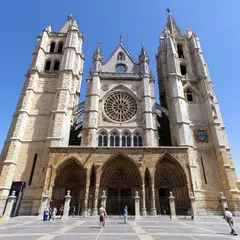
What to see in the Barrio Húmedo is, above all, a matter of route: a network of narrow streets in the old town of León where taverns follow one another and gastronomy sets the pace of the visit. The history of the Barrio Húmedo is not read in a single monument, but in the accumulation of premises with a long tradition, in its medieval layout between the Plaza Mayor and the Plaza del Grano and in a custom that is still alive: the tapa that comes with every drink. The full experience comes from walking it with the audio guide, which tells it tapa by tapa. In the same old town, the Plaza del Grano completes the stroll between tapas and cobblestones, and from the taverns one moves on to Leon Cathedral.
Entering the maze
Barrio Húmedo, León
Summary of this stop
At the entrance of the neighbourhood, visitors find the starting point of a web of alleys that concentrates the tapas and wine life of León. It is the best-known tapas area of the city, and it spreads across the medieval historic centre, between the Plaza Mayor and the Plaza del Grano, in a web of streets with an old layout.
The name, “Húmedo” (Wet), is popularly attributed to the wine that flowed and spilled onto the floor of the many taverns, until it kept the streets always wet. Legend has it, half in jest, that here the ground never managed to dry, unlike the nearby Barrio Romántico, which they call “el Seco”. True or not, the pair of nicknames sums up the character of each area.
The most surprising detail of this maze is revealed on listening to the narration in the place itself.
The heart of San Martín
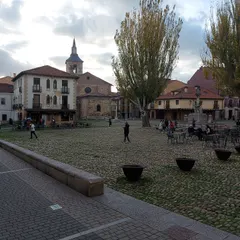
Plaza de San Martín, León
Summary of this stop
In the Plaza de San Martín, presided over by the church of the same name, lies the nerve centre of the neighbourhood and one of its busiest meeting points. The open-air terraces and the bars full of tapas give the square a constant bustle.
Around it, many taverns and wine cellars occupy premises of long tradition, some with decades of history. That continuity has established the Barrio Húmedo as the gastronomic reference of the city and explains why the square works as the starting point and meeting place of so many routes.
Tapas the Leonese way
Tapas of the Barrio Húmedo
Summary of this stop
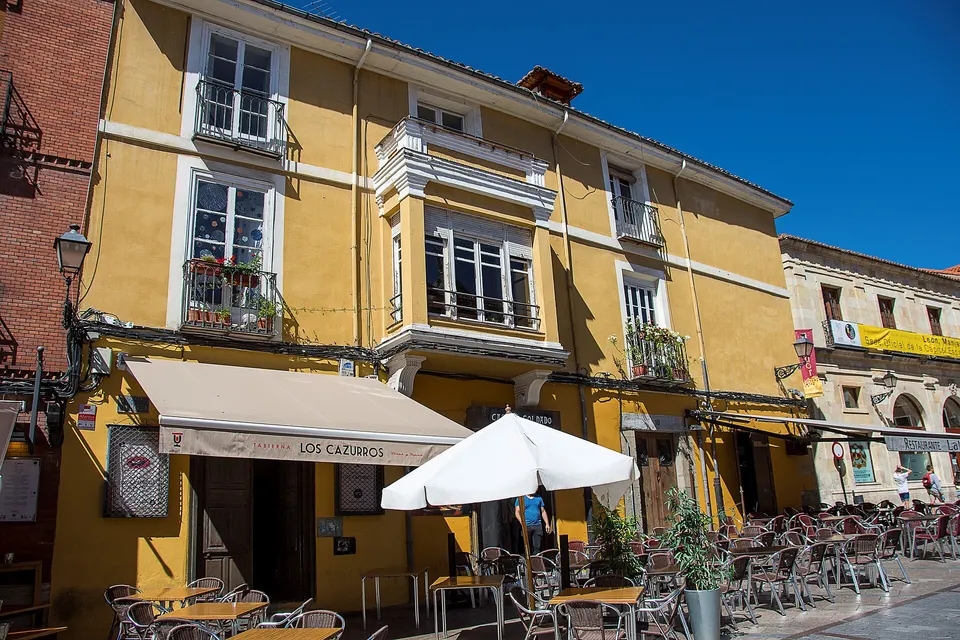
The typical activity of the neighbourhood is tapeo, or “going for tapas”: moving through several places, having in each a drink with its tapa, instead of sitting down to dinner in a single spot. In León the custom of serving a free tapa with every drink survives strongly, a tradition that defines the city’s night out.
Going out for tapas works almost like a ritual with unwritten rules, according to documented tradition: a drink is ordered, a tapa arrives without being asked for, and the game consists of changing bars to try each one’s. The Leonese have their routes and their regular places for each thing. Among the most typical tapas are cecina, cured beef, cured sausage and pork-slaughter products, specialities of the province’s gastronomy.
On the other side of the Calle Ancha lies the Barrio Romántico, a calmer and more recent tapas area that completes the contrast between the two banks of Leonese tapeo.