


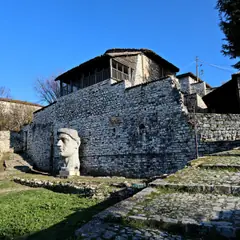
Inhabited citadel
Berat Castle
What to see at Berat Castle: walls with 24 towers, Michael Komnenos's monogram, the inhabited Kala quarter, ruined mosques and a lookout over the Osum.
Berat
Walk Berat with 28 audio stops and researched, fact-checked narration. From the citadel that has never stopped being lived in to the quarter of windows stacked above the Osum, every route explains how Byzantine despots, Ottoman pashas, icon painters, stonemasons and neighbours built the city one window above another.
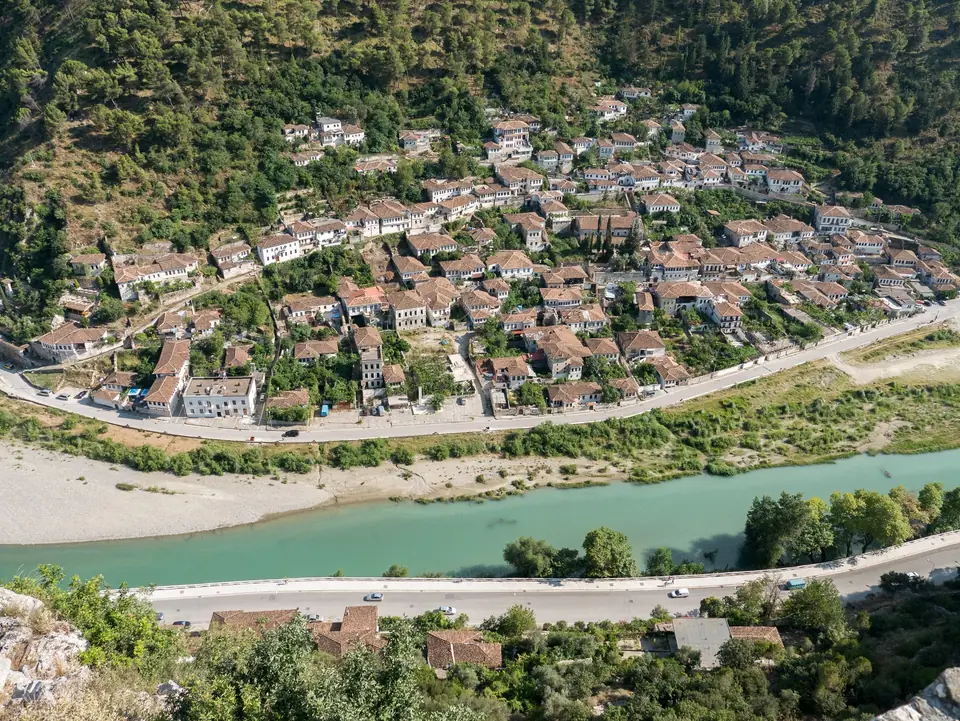
Inhabited citadel
What to see at Berat Castle: walls with 24 towers, Michael Komnenos's monogram, the inhabited Kala quarter, ruined mosques and a lookout over the Osum.
National icon museum
Former 1797 cathedral in Berat Castle, now a national icon museum: gilded iconostasis, works by Onufri and his school, and the crypt of the Purple Codex.
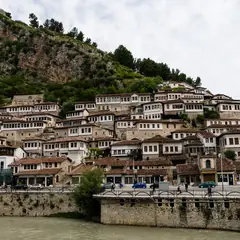
UNESCO heritage
What to see in Mangalem, Berat's former bazaar quarter: the slope of stacked windows, two Ottoman mosques and the chapel of its lost church.
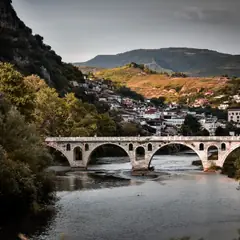
Historic bridge
What to see at Gorica Bridge: seven stone arches over the Osum, the centre rebuilt after the 1918 dynamite and the best view of Mangalem.
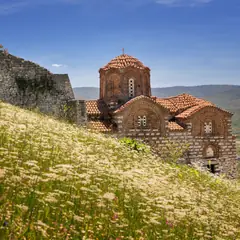
Byzantine church
Byzantine church of dome and cloisonné below the Berat citadel, with reused classical capitals and restored 14th-century frescoes.
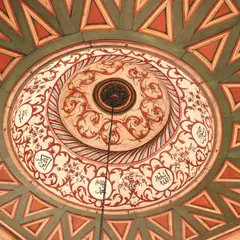
Ottoman mosque
Bayezid II's mosque in Berat (1492): a ceiling of ten wooden domes, a 15th-century minaret and a Christian mosaic beneath its foundations.
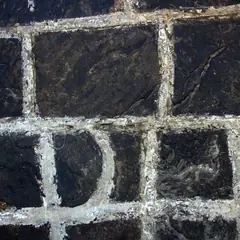
Traditional Berat house
18th-century stately house in Mangalem, a museum since 1979: a hajat of trades, a recreated bazaar, a wooden çardak and a guest room with a mafil.
Berat Audio Guide
Berat stands on a rocky hill beside the Osum river. At the top, Berat Castle encloses within some 1,400 metres of walls and 24 towers a quarter that is still inhabited, the Kala, where the gate keeps in red brick the monogram of Michael Komnenos, despot of Epirus, and the minaret of the Red Mosque rises among the whitewashed houses. Inside the walls, the old Orthodox cathedral of 1797 is now the Onufri Museum, with a gilded iconostasis that crosses the nave and the panels of the 16th-century painter whose red nobody has managed to reproduce, and below the inner citadel the small Holy Trinity Church holds 14th-century frescoes. On the climb, the Llavda house became the Berat Ethnographic Museum, with its wooden çardak and the mafil from which the women watched the guests. Below, the Mangalem Quarter, a World Heritage Site since 2008, climbs in terraces from the river with its stacked windows, and at its foot the King's Mosque, finished in 1492 by order of Bayezid II, hides beside its walls a mosaic bearing the word “Theotokos”. And Gorica Bridge, seven stone arches over the Osum, links Mangalem with the opposite bank, the best place to see the city from.
With the EarGuide Berat audio guide, every landmark reveals its history through narration researched and fact-checked against historical sources. Unlike a free walking tour or a conventional guided visit, you set the pace, the order and the stops. No groups, no timetables, no internet connection.
No internet needed
Download the routes before you head out and explore without using data.
Smart geolocation
The narration starts by itself when you reach the point of interest.
Frequently asked questions
The EarGuide app is free. The Berat audio guide includes 7 independent routes with about five hours of narration spread across 7 landmarks and 28 audio stops, and it is found inside the app itself.
No. EarGuide works entirely offline. Download the routes over WiFi before you set out and you can use the audio guide with no connection and no data use throughout your tour of Berat. The map shows your GPS position in real time even without coverage, which is useful among the castle's alleys and the slopes of Mangalem.
The Berat audio guide is available in Spanish and English, with narration on the history of the city, from the Byzantine citadel and Onufri's icons to the mosques and houses of the Ottoman period, researched and fact-checked against sources.
The audio guide brings together 7 independent routes with about five hours of narration in total, from twenty-five minutes to an hour and a half per route. They fit into one or two days: you can do them separately or string together the ones that lie close, such as Berat Castle, the Onufri Museum and Holy Trinity Church, or Mangalem Quarter, the King's Mosque and Gorica Bridge, in a single outing.
They are different experiences. The EarGuide audio guide lets you explore Berat without timetables or groups, pause and resume whenever you like, and replay any explanation as often as you need. It suits independent travellers, families and anyone who prefers to understand the city at their own pace, with no prior knowledge of its history.
The Berat audio guide covers 7 landmarks: Berat Castle, the Onufri Museum, Mangalem Quarter, Gorica Bridge, Holy Trinity Church, the King's Mosque and the Berat Ethnographic Museum, with stops that range from Michael Komnenos's monogram and the Red Mosque to the gilded iconostasis, the mafil of the Llavda house and the view over the Osum.
Yes. Mangalem, the King's Mosque and Gorica Bridge lie together in the lower part of town, beside the river. The Ethnographic Museum is on the climb to the castle, and the Onufri Museum and Holy Trinity Church are inside its walls. The cobbled slope up to the citadel is steep: comfortable shoes and an unhurried pace are advisable.
Yes. Purchases belong to your EarGuide account, not to one app or one phone. A city unlocked in the EarGuide app is also unlocked in that city’s own app, and the other way round, on both iPhone and Android. Just sign in with the same account on the other device. The store’s “restore purchases” button only covers the app the purchase was made in, so signing in is what carries it across.
The Berat audio guide is inside the EarGuide app, free and ready to use offline. Carry it in your pocket and explore the city of windows at your own pace, from Berat Castle to Mangalem Quarter and Gorica Bridge.
More destinations
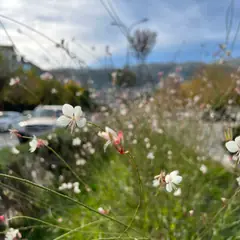
From the castle with a Cold War American aircraft on its walls to the nuclear shelter dug beneath the rock and Ismail Kadare’s birthplace, with audio guides.
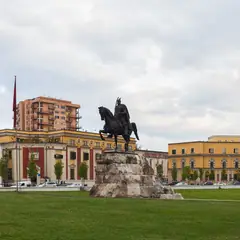
From the square where the crowd pulled down Hoxha's statue to the bunker of his secret police and the villa that listened to a whole country. The Tirana that opened up in 1991, with audio guides.
7 routes · ~6.5h of audio
7 routes · ~6.5h of audio
14 cities
3 cities
7 routes · ~7h of audio
7 routes · ~7.5h of audio
3 cities
3 cities
7 routes · ~5h of audio
4 cities
5 cities
9 cities
7 routes · ~5.9h of audio
3 cities
5 cities
4 cities
7 routes · 8h of audio

3 cities
4 cities
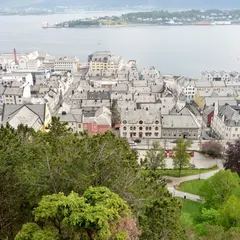
6 cities
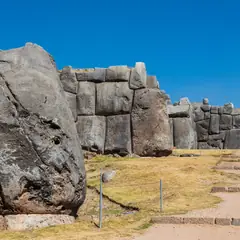
3 cities
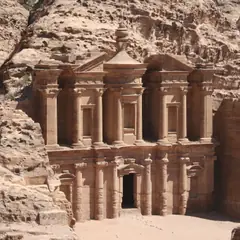
7 routes · ~5.5h of audio
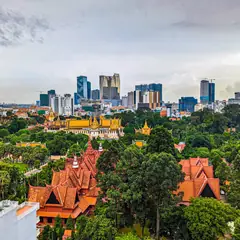
7 routes · ~7.5h of audio

7 routes · ~5h of audio

7 routes · ~8.5h of audio

6 routes · 6h of audio
7 routes · ~6h of audio
7 routes · ~5h of audio
3 cities
7 routes · ~8.5h of audio
7 routes · ~7h of audio
3 cities
10 cities
3 cities
7 routes · ~9h of audio
7 routes · ~5h of audio
7 routes · ~9h of audio
7 routes · ~6.5h of audio
8 cities
7 routes · ~9.5h of audio
4 cities
7 cities
7 routes · ~6h of audio