


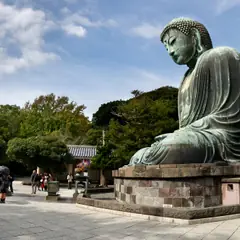
Buddhist temple
Great Buddha of Kamakura
The Great Buddha of Kamakura: an 11.3 m open-air bronze Amida, a hollow interior you can enter, the stones of the lost hall and giant straw sandals.
Kamakura, Japan
Explore Kamakura with 34 audio stops and documented, fact-checked narration. From the 11.3-metre bronze Buddha that has sat in the open air for more than five centuries to the stairway where the Minamoto line of shoguns came to an end in 1219, every place tells how a village between hills and sea became the first capital of the samurai.
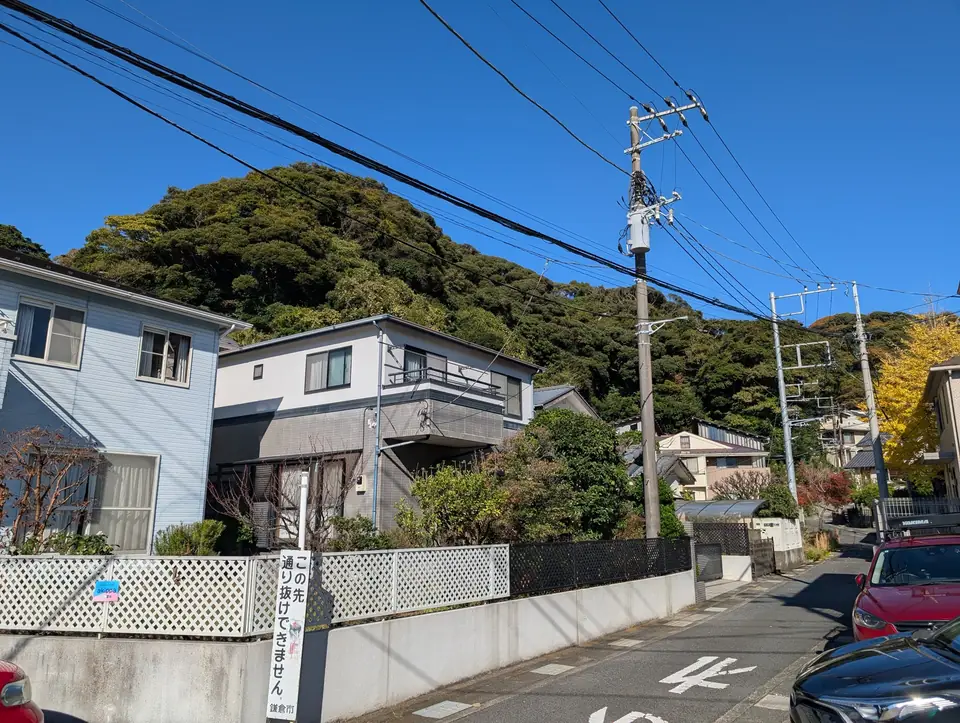
Buddhist temple
The Great Buddha of Kamakura: an 11.3 m open-air bronze Amida, a hollow interior you can enter, the stones of the lost hall and giant straw sandals.
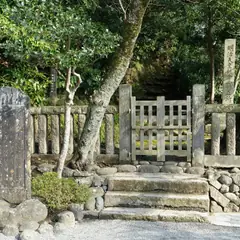
Shinto shrine
Kamakura's great Hachiman shrine: the Dankazura causeway, the Genpei ponds of the two clans, the yabusame track, Shizuka's pavilion and the stairway of the last Minamoto shogun.
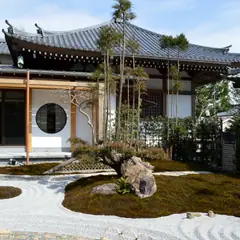
Temple of the eleven-headed Kannon
What to see at Hase-dera Temple in Kamakura: the Benten-kutsu cave, the fields of jizō, the bell tower, the great golden eleven-headed Kannon and the Kaikō terrace over the bay.
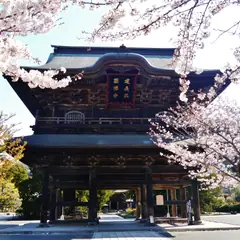
Japan's first Zen temple
What to see at Kencho-ji: the Kofukusan plaque on the Sōmon gate, the Sanmon gate, the bell of 1255, the junipers before the Butsuden, the dragon of the Hattō and the golden Karamon gate.
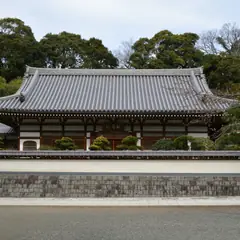
Zen monastery of the Hōjō
What to see at Engaku-ji Temple: the Byakurochi pond and the level crossing, the Sanmon gate, the White Dragon Butsuden, the great Ōgane bell and the Shariden reliquary, a National Treasure.

Zen bamboo temple
What to see at Hokoku-ji Temple: the moss path, the thatched bell tower, the hondō and the zazen hall, the bamboo forest with its tea house and the Ashikaga tombs dug into the rock.
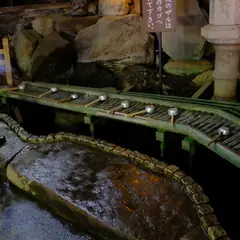
Shinto shrine
A hidden shrine in a hollow of Kamakura: a tunnel in the rock, hundreds of torii, Buddhist incense and the cave where money is washed in a spring.
Kamakura Audio Guide
Kamakura was the city of the Minamoto shoguns and of the Hōjō regents who governed in their name. At its centre, Tsurugaoka Hachimangu Shrine crowns the avenue that Minamoto no Yoritomo laid toward the sea and keeps at the foot of its stairway the night of 1219 when the last shogun of his line fell. In Kita-Kamakura, the Hōjō regents raised the great Zen monasteries: Kencho-ji Temple, the first in Japan to call itself a Zen temple, and Engaku-ji Temple, founded in 1282 to pray for the dead of both sides of the Mongol invasions. Along the coast, in Hase, the Great Buddha of Kamakura has sat in the open air for more than five centuries, and Hase-dera Temple looks out over Sagami Bay with one of the largest wooden Kannon in the country. To the east, Hokoku-ji Temple hides a grove of some two thousand bamboos, and in a hollow to the west Zeniarai Benzaiten Shrine washes money in the water of a cave.
With the EarGuide Kamakura audio guide, every place reveals its history through documented narration checked against historical sources. Unlike a free walking tour or a conventional guided visit, you set the pace, the order and the stops. No groups, no timetables, no internet connection.
No internet needed
Download the routes before you head out and explore without using data.
Smart geolocation
The narration starts by itself when you reach the point of interest.
Frequently asked questions
The EarGuide app is free. The Kamakura audio guide includes 7 independent routes with about six hours of narration spread across 7 sites and 34 audio stops, and it is found inside the app itself.
No. EarGuide works entirely offline. Download the routes over WiFi before you set out and you can use the audio guide with no connection and no data use throughout your visit. The map shows your GPS position in real time even without coverage.
The Kamakura audio guide is available in Spanish and English, with documented, fact-checked narration on its Zen temples, its shrines and its Great Buddha.
The audio guide brings together 7 independent routes with about six hours of narration in total, from half an hour to an hour per route. The most comfortable way is to split them over two days: Kita-Kamakura and the centre, with Engaku-ji Temple, Kencho-ji Temple, Tsurugaoka Hachimangu Shrine and Hokoku-ji Temple, on one, and Zeniarai Benzaiten Shrine, the Great Buddha and Hase-dera Temple on another.
They are different experiences. The EarGuide audio guide lets you explore Kamakura without timetables or groups, pause and resume whenever you like, and replay any explanation as often as you need. It suits independent travellers, families and anyone who prefers to understand the city at their own pace, with no prior knowledge of Japan.
The Kamakura audio guide covers 7 main sites: the Great Buddha of Kamakura (Kōtoku-in), Tsurugaoka Hachimangu Shrine, Hase-dera Temple, Kencho-ji Temple, Engaku-ji Temple, Hokoku-ji Temple and Zeniarai Benzaiten Shrine.
Yes, with good shoes. Engaku-ji Temple and Kencho-ji Temple, in Kita-Kamakura, are less than a kilometre from each other, and from Kencho-ji to Tsurugaoka Hachimangu Shrine it is barely another kilometre. Hokoku-ji Temple is a little over a kilometre east of the shrine and Zeniarai Benzaiten Shrine is a similar distance to the west. The Great Buddha and Hase-dera Temple, a few steps from each other, are about two kilometres from the centre, by the coast.
Yes. Purchases belong to your EarGuide account, not to one app or one phone. A city unlocked in the EarGuide app is also unlocked in that city's own app, and the other way round, on both iPhone and Android. Just sign in with the same account on the other device. The store's “restore purchases” button only covers the app the purchase was made in, so signing in is what carries it across.
The Kamakura audio guide is inside the EarGuide app, free and ready to use offline. Carry it in your pocket and explore the city at your own pace.
More destinations

The Hakata of the merchants and the castle town of the Kuroda: the Yamakasa race, a shrine that still pleads for the Mongols' surrender and the yatai beside the Naka river. Explore Fukuoka with audio guides.
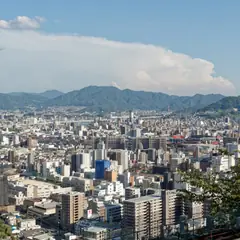
The ruin the city decided to save, a park over a buried district, a castle that fell without burning and a torii in the sea at Miyajima. Explore Hiroshima with audio guides.
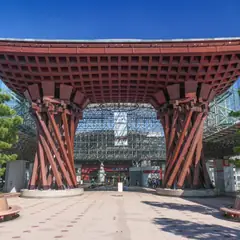
The city of the Maeda: a garden that unites six virtues, a castle with lead roofs, geiko and samurai districts and a temple full of traps. Explore Kanazawa with audio guides.
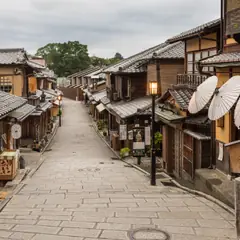
The old imperial capital: a mountain covered in torii, a wooden stage without nails, a golden pavilion reborn from the ashes and the district of the geiko. Explore Kyoto with audio guides.
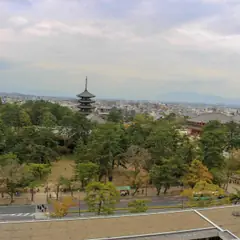
Japan's first great capital: a bronze Buddha of almost 15 metres, thousands of stone lanterns, bowing deer and a palace rescued from the rice fields. Explore Nara with audio guides.
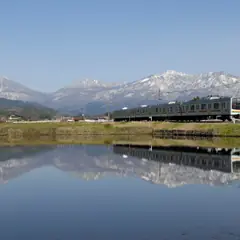
From the golden shrine where Ieyasu was made a god to the vermilion bridge only shoguns once crossed and a 97-metre waterfall that empties a lake. Explore Nikko with audio guides.

The merchants' city: a castle of three lives, a canal of theatres and neon, cooks' markets, a tower raised by its neighbours and temples that face the sea. Explore Osaka with audio guides.
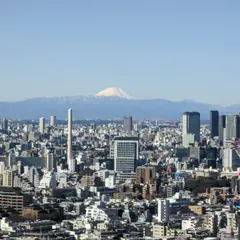
The capital that remade itself again and again: a temple around a Kannon nobody sees, a forest planted by hand, the Tokugawa's towerless castle and a crossing with a single diagonal. Explore Tokyo with audio guides.

3 cities
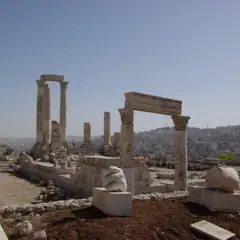
7 routes · ~6.5h of audio

7 routes · ~6.5h of audio
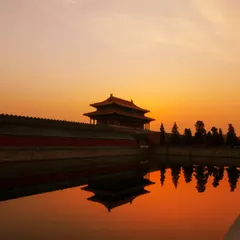
14 cities

3 cities

7 routes · ~7h of audio

7 routes · ~7.5h of audio
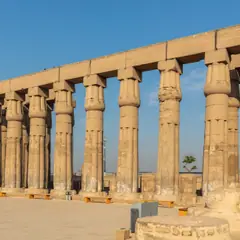
3 cities
3 cities

7 routes · ~5h of audio

4 cities
5 cities
7 routes · ~5.9h of audio
3 cities
5 cities
4 cities

7 routes · 8h of audio

3 cities
4 cities

6 cities
3 cities
7 routes · ~5.5h of audio
7 routes · ~7.5h of audio

7 routes · ~5h of audio

7 routes · ~8.5h of audio

6 routes · 6h of audio

7 routes · ~6h of audio

7 routes · ~5h of audio

3 cities
7 routes · ~8.5h of audio
7 routes · ~7h of audio
3 cities
10 cities
3 cities

7 routes · ~9h of audio
7 routes · ~5h of audio
7 routes · ~9h of audio

7 routes · ~6.5h of audio
8 cities
7 routes · ~9.5h of audio
4 cities
7 cities

7 routes · ~6h of audio