


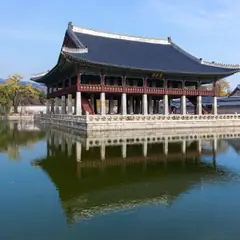
Royal palace of Joseon
Gyeongbokgung Palace
What to see at Gyeongbokgung: the Gwanghwamun gate, the Geunjeongjeon throne hall, the Gyeonghoeru pavilion on its pond and Geoncheonggung, where Queen Min was murdered.
Seoul, South Korea
Explore Seoul with 34 audio stops and documented, fact-checked narration. From Gyeongbokgung Palace, where hangul was born, to the summit of Namsan, where Joseon's beacon network ended, every place tells how Joseon's capital survived invasions, occupation and war.
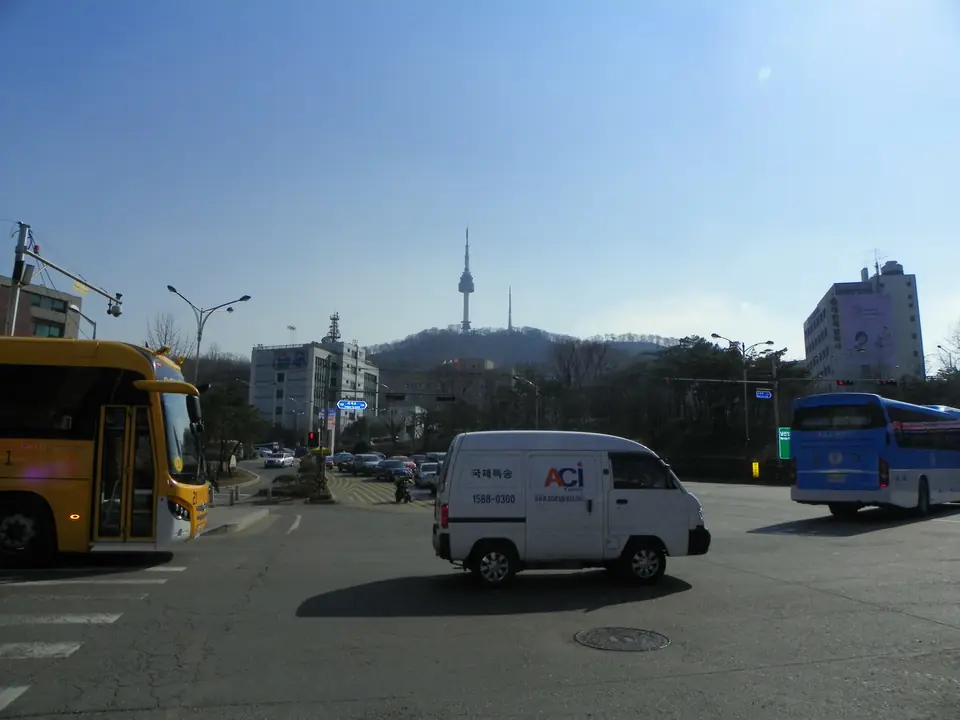
Royal palace of Joseon
What to see at Gyeongbokgung: the Gwanghwamun gate, the Geunjeongjeon throne hall, the Gyeonghoeru pavilion on its pond and Geoncheonggung, where Queen Min was murdered.
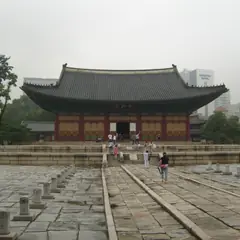
Court of the Korean Empire
What to see at Deoksugung: the Daehanmun gate and its changing of the guard, the Junghwajeon throne hall, the Seogeodang pavilion, the stone palace Seokjojeon and Jungmyeongjeon.
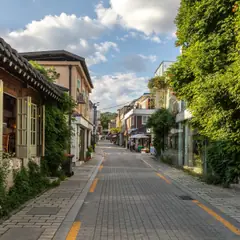
Lived-in hanok neighbourhood
What to see in Bukchon: the Gahoe-dong 31 rooftop viewpoint, the 1913 Baek In-je House, the Bukchon-ro 11-gil alley, the Myeongmundang lookout building and Joongang School.
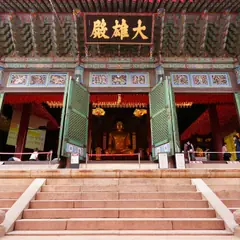
Headquarters of Korean Buddhism
What to see at Jogyesa: the Iljumun gate, the ten-storey pagoda with Buddha relics, the carved facade of the Daeungjeon, its triad of Buddhas and the Dogapsa wooden Buddha.
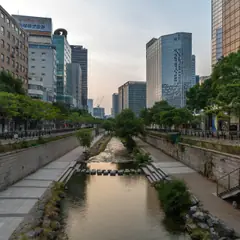
Stream restored in 2005
What to see at Cheonggyecheon: the Cheonggye Plaza waterfall, Gwangtonggyo Bridge, the royal procession mural, Jeon Tae-il Bridge and Yeongdogyo, the bridge of farewell.
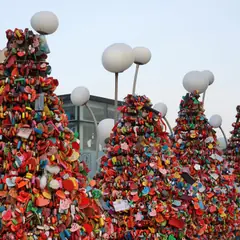
1975 television tower
What to see at N Seoul Tower: the Joseon beacon of Namsan, the Palgakjeong pavilion, the padlock railings, the 1975 shaft and the forbidden view of the Blue House.
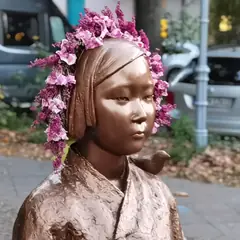
Memory of the Korean War
What to see at the War Memorial of Korea: the Statue of Brothers, the corridors with 210,000 names, the Clock of Peace and the esplanade of aircraft, tanks and ships.
Seoul Audio Guide
Seoul was the capital of the Joseon dynasty, and almost everything that explains it fits within a few kilometres. Gyeongbokgung Palace, founded in 1395 beneath Mount Bugaksan, saw the hangul alphabet born, burned in 1592, switched on Korea's first electric light in 1887 and is today being rebuilt piece by piece. Deoksugung Palace was the court of the short-lived Korean Empire, with timber pavilions beside neoclassical granite halls, and between the two palaces the hanok of the Bukchon neighbourhood, almost all from the 1930s, are still homes with neighbours. Jogyesa Temple, seat of the Jogye Order, was the first Buddhist temple inside the walls after five centuries of prohibition, and the Cheonggyecheon stream, buried under concrete and an elevated highway, flowed again in 2005 along 5.84 km. On the summit of Namsan, the N Seoul Tower, from 1975, changes colour according to the air the city breathes, and in Yongsan the War Memorial of Korea engraves 210,000 names in marble.
With the EarGuide Seoul audio guide, every place reveals its history through documented narration checked against historical sources. Unlike a free walking tour or a conventional guided visit, you set the pace, the order and the stops. No groups, no timetables, no internet connection.
No internet needed
Download the routes before you head out and explore without using data.
Smart geolocation
The narration starts by itself when you reach the point of interest.
Frequently asked questions
The EarGuide app is free. The Seoul audio guide includes 7 independent routes with about nine hours of narration spread across 7 sites and 34 audio stops, and it is found inside the app itself.
No. EarGuide works entirely offline. Download the routes over WiFi before you set out and you can use the audio guide with no connection and no data use throughout your visit. The map shows your GPS position in real time even without coverage.
The Seoul audio guide is available in Spanish and English, with documented, fact-checked narration on the Joseon dynasty, the Korean Empire, the Japanese occupation, the Korean War and the transformation of the city.
The audio guide brings together 7 independent routes with about nine hours of narration in total, from 30 minutes to 2 hours per route. The most comfortable way is to split them over two or three days: the palaces, Bukchon, Jogyesa and Cheonggyecheon in the historic centre on one, and the N Seoul Tower and the War Memorial of Korea, further south, on another.
They are different experiences. The EarGuide audio guide lets you explore Seoul without timetables or groups, pause and resume whenever you like, and replay any explanation as often as you need. It suits independent travellers, families and anyone who prefers to understand the city at their own pace, with no prior knowledge of Korea.
The Seoul audio guide covers 7 main sites: Gyeongbokgung Palace, Deoksugung Palace, Bukchon Hanok Village, Jogyesa Temple, Cheonggyecheon Stream, the N Seoul Tower and the War Memorial of Korea.
Much of it. Five of the seven sites are in the historic centre, less than two kilometres from one another: Gyeongbokgung, Bukchon, Jogyesa, Deoksugung and Cheonggyecheon. The N Seoul Tower stands high on Namsan, about two kilometres south of the centre and with a good climb, and the War Memorial of Korea is in Yongsan, some two kilometres further south, where the most comfortable way to get there is by metro or bus.
Yes. Purchases belong to your EarGuide account, not to one app or one phone. A city unlocked in the EarGuide app is also unlocked in that city's own app, and the other way round, on both iPhone and Android. Just sign in with the same account on the other device. The store's “restore purchases” button only covers the app the purchase was made in, so signing in is what carries it across.
The Seoul audio guide is inside the EarGuide app, free and ready to use offline. Carry it in your pocket and explore the city at your own pace.
More destinations
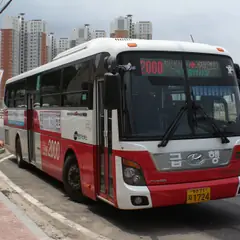
From the hillside of shacks painted in bright colours at Gamcheon to a Buddhist temple hanging over the sea and the ajimae fish market of the South Port. Explore Busan with audio guides.
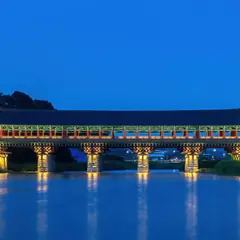
The ancient capital of Silla: hills that are royal tombs, a tower for watching the stars, a pond that pretended to be a sea and, on Mount Tohamsan, Bulguksa and Seokguram. Explore Gyeongju with audio guides.
3 cities
7 routes · ~6.5h of audio
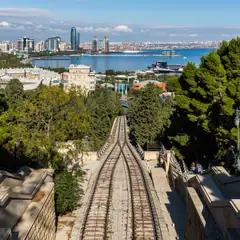
7 routes · ~6.5h of audio
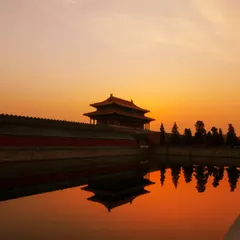
14 cities
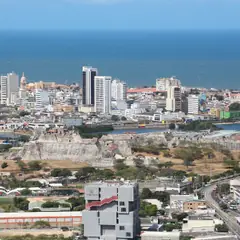
3 cities
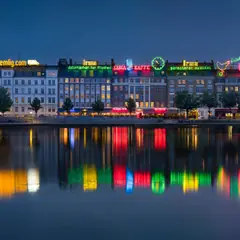
7 routes · ~7h of audio
7 routes · ~7.5h of audio
3 cities
3 cities

7 routes · ~5h of audio
4 cities
5 cities
9 cities
7 routes · ~5.9h of audio
3 cities
5 cities
4 cities
7 routes · 8h of audio
3 cities
4 cities
6 cities
3 cities
7 routes · ~5.5h of audio
7 routes · ~7.5h of audio

7 routes · ~5h of audio
7 routes · ~8.5h of audio

6 routes · 6h of audio
7 routes · ~6h of audio
7 routes · ~5h of audio
3 cities
7 routes · ~8.5h of audio
7 routes · ~7h of audio
10 cities
3 cities
7 routes · ~9h of audio
7 routes · ~5h of audio
7 routes · ~9h of audio
7 routes · ~6.5h of audio
8 cities
7 routes · ~9.5h of audio
4 cities
7 cities
7 routes · ~6h of audio