


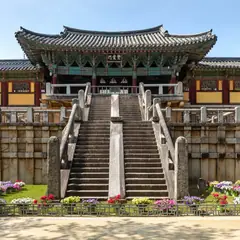
8th-century Silla temple
Bulguksa Temple
What to see at Bulguksa: the 8th-century bridge staircases, the grengi stone wall, the Seokgatap and Dabotap pagodas and the Birojeon stupa that came back from Tokyo.
Gyeongju, South Korea
Explore Gyeongju with 30 audio stops and documented, fact-checked narration. From Daereungwon's Heavenly Horse to the Seokguram Buddha gazing at the East Sea, every place tells how Silla's capital survived in stone, gold and mud.
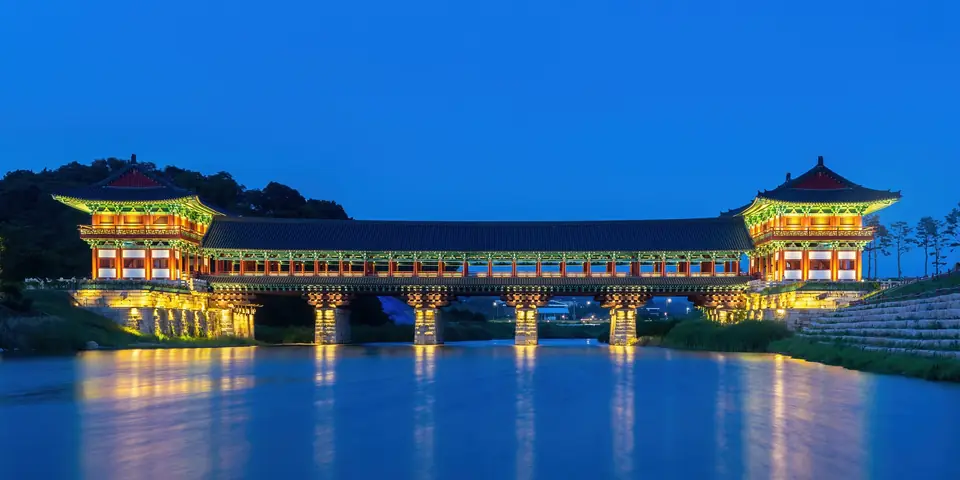
8th-century Silla temple
What to see at Bulguksa: the 8th-century bridge staircases, the grengi stone wall, the Seokgatap and Dabotap pagodas and the Birojeon stupa that came back from Tokyo.
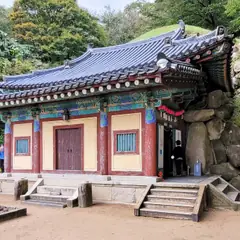
8th-century Buddhist grotto
What to see at the Seokguram Grotto: the 360-slab dome, the granite Buddha facing the East Sea, its lotus halo, the Eight Legions and the eleven-faced Avalokitesvara.

Royal tombs of Silla
What to see at Daereungwon: King Michu's walled tomb, the inside of Cheonmachong with the Heavenly Horse, the Hwangnam Daechong double mound and the magnolia among the hills.
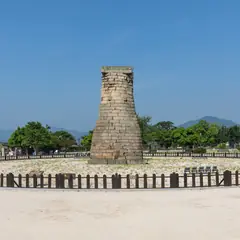
7th-century star tower
What to see at Cheomseongdae: Queen Seondeok's 27-course tower, the south window that catches the equinox sun, the well-shaped top and its tilt to the north.
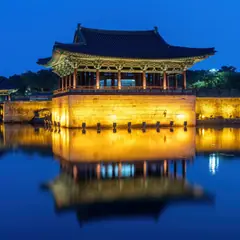
Silla royal pond of 674
What to see at Donggung and Wolji: the three islands of Munmu's pond, the west-shore pavilions, the curving shores that hide the water and the bases of the lost buildings.
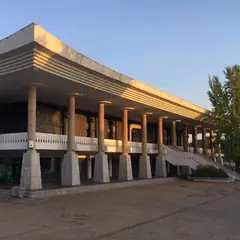
The treasure of Silla's capital
What to see at the Gyeongju National Museum: the Bell of King Seongdeok, the gold crowns of Silla, the Hwangnyongsa chimi, the Wolji Hall die and the Goseonsa pagoda.
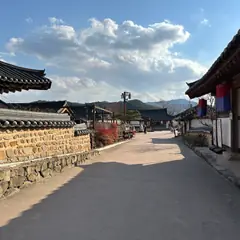
Hanok quarter since 682
What to see in Gyochon: the Gyeongju Hyanggyo and its Daeseongjeon shrine, the sages' pine terrace, the Choi house lowered before the school and the Gyodong Beopju liquor house.
Gyeongju Audio Guide
Gyeongju was the capital of Silla, and the city still lives among its kings. In the centre, the Daereungwon tumuli gather 23 burial hills of the 4th to 6th centuries, among them Cheonmachong, the Heavenly Horse tomb, the only one you can visit inside. A few steps away, the Cheomseongdae tower, from Queen Seondeok's time, catches the equinox sun through its south window, and Wolji Pond, dug by King Munmu in 674, pretends to be a sea with its three islands and its pavilions reflected at night. The Gyeongju National Museum keeps the 18.9-tonne Bell of King Seongdeok and the gold of the royal tombs, and the Gyochon traditional village preserves the Confucian school built on the site of the academy of 682 and the Choi house, lowered so as not to stand above the sages. On Mount Tohamsan, Bulguksa Temple climbs by 8th-century bridge staircases to two opposing pagodas, and the Seokguram Grotto keeps behind glass a granite Buddha aligned with the winter solstice sunrise.
With the EarGuide Gyeongju audio guide, every place reveals its history through documented narration checked against historical sources. Unlike a free walking tour or a conventional guided visit, you set the pace, the order and the stops. No groups, no timetables, no internet connection.
No internet needed
Download the routes before you head out and explore without using data.
Smart geolocation
The narration starts by itself when you reach the point of interest.
Frequently asked questions
The EarGuide app is free. The Gyeongju audio guide includes 7 independent routes with just over seven hours of narration spread across 7 sites and 30 audio stops, and it is found inside the app itself.
No. EarGuide works entirely offline. Download the routes over WiFi before you set out and you can use the audio guide with no connection and no data use throughout your visit. The map shows your GPS position in real time even without coverage.
The Gyeongju audio guide is available in Spanish and English, with documented, fact-checked narration on the kings of Silla, their tombs, their Buddhist temples and the life of their court.
The audio guide brings together 7 independent routes with just over seven hours of narration in total, from 20 minutes to 2 hours per route. The most comfortable way is to split them over two days: the historic centre, from Daereungwon to the National Museum, on one, and Bulguksa and Seokguram, on Mount Tohamsan, on another.
They are different experiences. The EarGuide audio guide lets you explore Gyeongju without timetables or groups, pause and resume whenever you like, and replay any explanation as often as you need. It suits independent travellers, families and anyone who prefers to understand the city at their own pace, with no prior knowledge of Korea.
The Gyeongju audio guide covers 7 main sites: Bulguksa Temple, the Seokguram Grotto, the Daereungwon tumuli, the Cheomseongdae Observatory, Donggung Palace and Wolji Pond, the Gyeongju National Museum and the Gyochon Hanok Village.
Much of it. Five of the seven sites are in the centre, less than two kilometres from one end to the other: Daereungwon, Cheomseongdae, Wolji Pond, the National Museum and Gyochon. Bulguksa and Seokguram lie on Mount Tohamsan, some 10 to 13 kilometres southeast of the centre in a straight line and less than two kilometres from each other, and are reached by car or public transport.
Yes. Purchases belong to your EarGuide account, not to one app or one phone. A city unlocked in the EarGuide app is also unlocked in that city's own app, and the other way round, on both iPhone and Android. Just sign in with the same account on the other device. The store's “restore purchases” button only covers the app the purchase was made in, so signing in is what carries it across.
The Gyeongju audio guide is inside the EarGuide app, free and ready to use offline. Carry it in your pocket and explore the city at your own pace.
More destinations

From the hillside of shacks painted in bright colours at Gamcheon to a Buddhist temple hanging over the sea and the ajimae fish market of the South Port. Explore Busan with audio guides.

The palace where the hangul alphabet was born, the court of a short-lived empire, a stream rescued from under a highway and a tower that changes colour with the air. Explore Seoul with audio guides.

3 cities
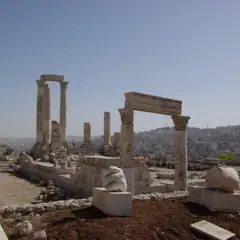
7 routes · ~6.5h of audio

7 routes · ~6.5h of audio
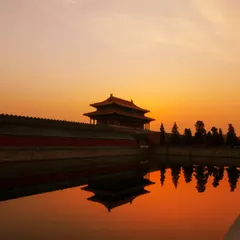
14 cities

3 cities
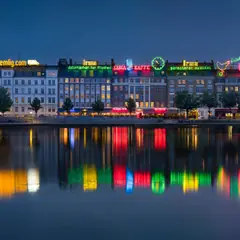
7 routes · ~7h of audio

7 routes · ~7.5h of audio
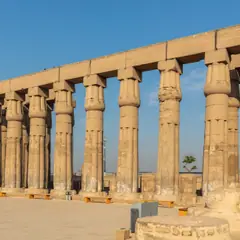
3 cities
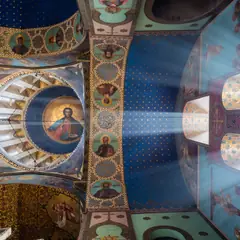
3 cities

7 routes · ~5h of audio

4 cities
5 cities
9 cities
7 routes · ~5.9h of audio
3 cities
5 cities
4 cities

7 routes · 8h of audio

3 cities
4 cities

6 cities
3 cities
7 routes · ~5.5h of audio
7 routes · ~7.5h of audio

7 routes · ~5h of audio

7 routes · ~8.5h of audio

6 routes · 6h of audio

7 routes · ~6h of audio

7 routes · ~5h of audio
3 cities
7 routes · ~8.5h of audio
7 routes · ~7h of audio
10 cities
3 cities

7 routes · ~9h of audio
7 routes · ~5h of audio
7 routes · ~9h of audio
7 routes · ~6.5h of audio
8 cities

7 routes · ~9.5h of audio
4 cities
7 cities
7 routes · ~6h of audio